
If you’ve ever followed a recipe that calls for shallots instead of onions, you may have wondered whether they are simply different names for the same ingredient. While they are closely related, onions and shallots each have their own unique characteristics, and understanding the differences can help you get the best flavour from your cooking.
Both belong to the allium family, alongside garlic, leeks and chives, but they differ in appearance, flavour and how they are typically used in recipes.
The most recognisable onions are the white, brown and red varieties. They are generally larger, rounder and have a stronger flavour that becomes sweeter as they cook. Their taste makes them ideal for soups, stews, curries, casseroles and any dish where onions form part of the base of the recipe.
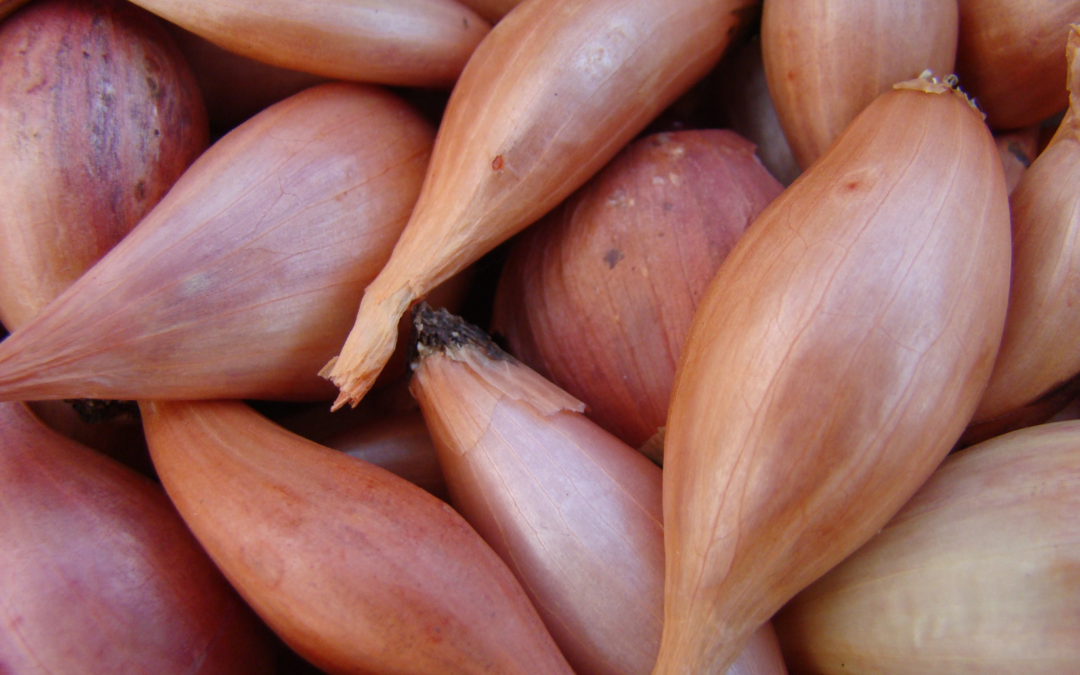
Shallots, on the other hand, are smaller and more elongated with copper-coloured, papery skin. Instead of growing as a single bulb like an onion, shallots form clusters of individual cloves, similar to garlic. Their flavour is much milder and slightly sweeter, with a subtle hint of garlic that makes them popular in more delicate dishes.
Because of their gentler taste, shallots are often preferred when they are served raw. They work particularly well in salads, vinaigrettes, dressings and salsas, where a full-strength onion could easily overpower the other ingredients. Although shallots can also be cooked, their delicate flavour becomes less pronounced during long cooking times.
Nutritionally, there is very little to separate the two. Both onions and shallots are excellent sources of vitamins, minerals and antioxidants while being naturally low in calories. Ultimately, the choice comes down to the flavour you want to achieve. If you’re looking for a bold, savoury base for a hearty meal, onions are usually the better option. If you want a more refined flavour that complements rather than dominates a dish, shallots are an excellent alternative.
For food manufacturers and fresh produce processors, preparing onions efficiently is just as important as choosing the right variety. High production volumes require equipment that can deliver consistent results while minimising waste and maintaining product quality.
With more than 50 years of engineering expertise, M&P Engineering supplies industry-leading food processing equipment, including the renowned Large Onion Peeling Machine. Using a self-adjusting floating knife system, the machine tops, tails and peels onions using a dry peeling process, processing up to 600kg of onions per hour with excellent consistency and minimal waste. You can see it in action here.
For more information on our food processing equipment, please contact us today.